

If you are dealing with chronic tendon pain, joint stiffness, or persistent muscle tension, you may be asking yourself, what else can I try? SoftWave is an advanced, non-invasive shockwave therapy that delivers high-energy acoustic waves to injured tissue to help stimulate healing from within. In simple terms, we target the problem area, apply precise energy, and help your body respond better.
This can be a strong next step for patients whose pain has lingered, plateaued, or not responded the way they hoped with rest, medication, or other conservative approaches.

What to Expect With SoftWave Therapy
Step 1 – Assessment
We identify the injured area and evaluate whether your pain is coming from a joint, tendon, muscle, or surrounding tissue.
Step 2 – Targeted Treatment
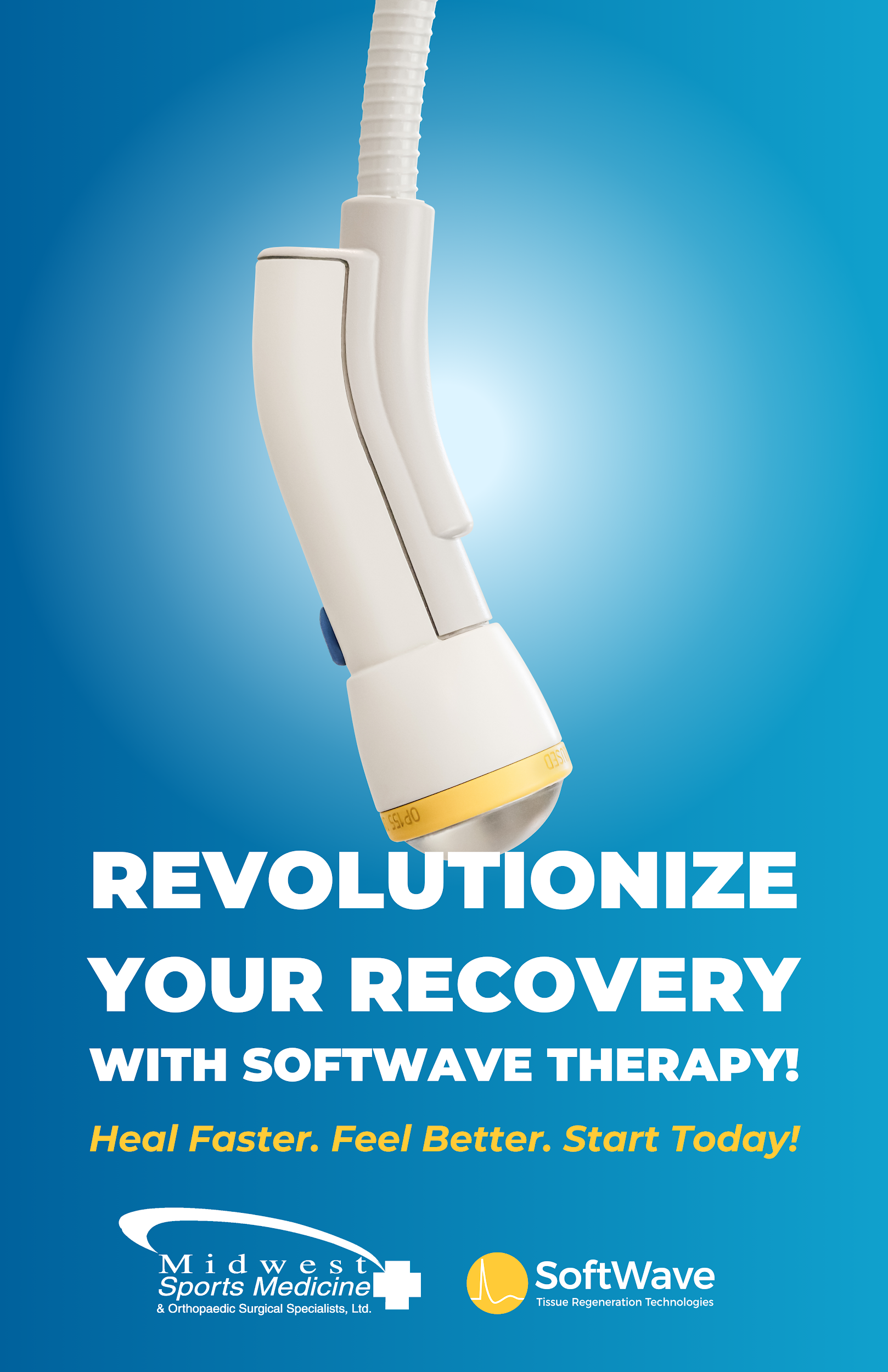
Using the SoftWave device, we apply focused acoustic wave therapy to the problem area to stimulate healing and improve tissue response.
Step 3 – Quick In-Office Visit
Treatment is efficient and designed to fit into your day, with sessions that are typically brief and require minimal downtime.
Step 4 – Recovery and Follow-Up
You can return to normal daily activity quickly, and we will guide next steps based on your symptoms, goals, and response to treatment.
Most patients leave the office and continue their day with a treatment plan tailored to their injury and recovery goals.
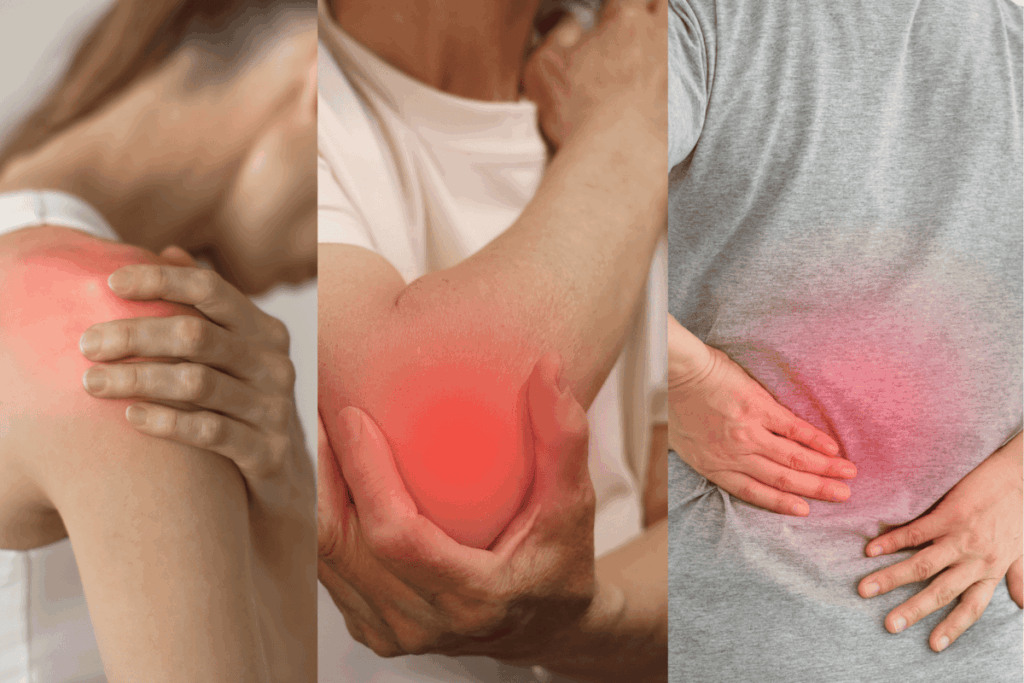
- Joint pain and stiffness, including cartilage-related discomfort
- Sports-related overuse injuries that keep coming back
- Chronic tendon pain, including Achilles, patellar tendon, and rotator cuff irritation
- Persistent muscle tension and soft tissue pain
- Plantar fasciitis and other foot or heel pain
- Areas where traditional treatment has stalled or not delivered enough relief
The right diagnosis matters. A consultation helps determine whether SoftWave therapy fits your condition, pain pattern, and recovery timeline.
At Midwest Sports Medicine, SoftWave is not offered as a random add-on. It starts with a provider evaluation to understand the source of pain, whether it involves a joint, tendon, muscle, or surrounding tissue. If SoftWave is the right fit, treatment can begin as part of a broader recovery plan built around your symptoms, movement goals, and next steps. Treatment is designed to be efficient, with minimal downtime and a care model that can coordinate with therapy or exercise support when needed.

SoftWave therapy is a non-invasive treatment that uses high-energy acoustic waves to target injured tissue, support the body’s natural healing response, and help reduce pain.
SoftWave may help with chronic tendon pain, joint stiffness, sports-related overuse injuries, persistent muscle tension, plantar fasciitis, and areas where traditional treatment has not provided enough relief.
Most patients describe SoftWave as a deep pulsing or steady thumping sensation over the treatment area. The intensity can vary depending on the area being treated and your level of sensitivity.
SoftWave sessions are typically brief, often around 10 to 15 minutes, making treatment easy to fit into a busy schedule.
Yes. Your provider will first evaluate the source of your pain and determine whether SoftWave is the right fit for your condition, symptoms, and recovery goals.