
Most people with back or neck pain don’t start by calling a spine surgeon. In…
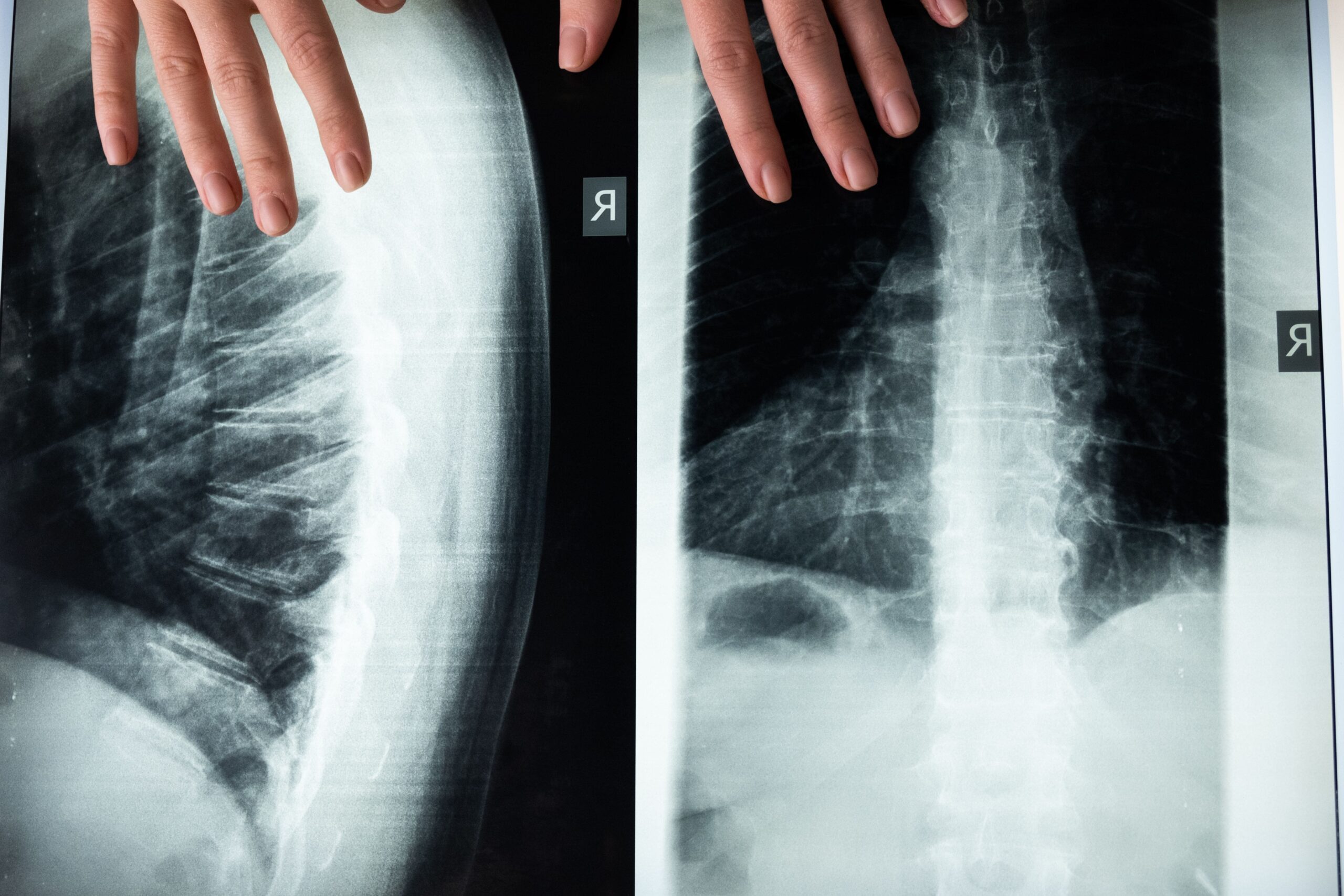
Osteoporosis and Your Spine: How to Protect Your Bones and Prevent Compression Fractures
“I love helping my patients become pain free. But I would much rather help them avoid that pain altogether.”
One of the most rewarding parts of being a spine surgeon is helping patients regain their quality of life after a painful vertebral compression fracture. One of the most frustrating is knowing that some of that pain may have been preventable.
One procedure I perform to treat these fractures is called kyphoplasty. In my experience, kyphoplasty provides significant pain relief approximately 90-95% of the time, helping patients return to their daily activities, restore their mobility, and get back to the lives they enjoy.
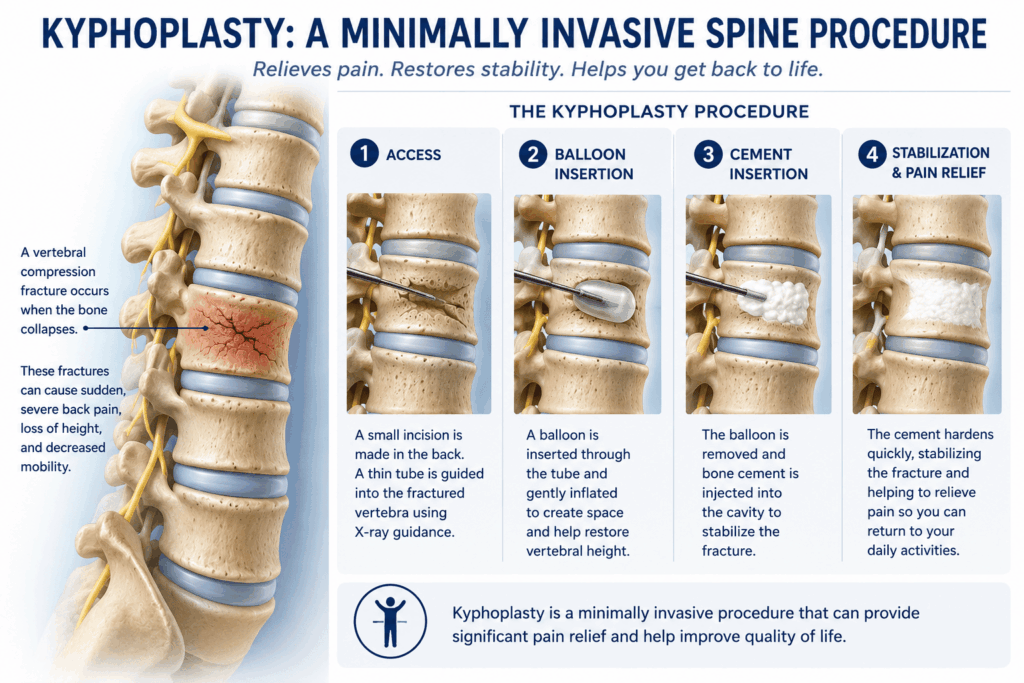
But my goal isn’t just to treat these fractures — it’s to help patients avoid them altogether. That’s why I’m passionate about osteoporosis prevention.
Many people think osteoporosis is simply something that happens as we get older and that there’s nothing they can do about it. The truth is, there are steps you can take today to strengthen your bones, reduce your risk of fractures, and maintain your independence for years to come.
The spine is one of the most common places osteoporosis shows up — and one of the most devastating when it does. Fortunately, there is much we can do to help prevent these injuries before they happen.
Osteoporosis: The Silent Disease
Osteoporosis is a condition that causes bones to lose density and strength over time, making them more fragile and more likely to break. Because bone loss occurs gradually and without symptoms, many people don’t realize they have osteoporosis until they sustain a fracture.
Vertebral compression fractures can lead to significant pain, loss of height, changes in posture, decreased mobility, and loss of independence. The good news is that osteoporosis isn’t simply an inevitable part of aging. There are meaningful steps you can take to reduce your risk.
5 Ways to Protect Your Bones and Your Spine
1. Keep Moving
Regular physical activity is one of the best investments you can make in your future bone health. Weight-bearing exercise helps stimulate and maintain bone strength, while resistance training builds muscle that supports the spine and improves balance.
Activities that benefit your bones include walking, hiking, dancing, stair climbing, strength training, and resistance band exercises. Consistency matters more than intensity — even moderate exercise performed regularly can help maintain both bone and muscle strength.
2. Give Your Bones the Nutrients They Need
Healthy bones depend on proper nutrition. Calcium provides the building blocks for bone, and vitamin D helps your body absorb calcium effectively.
Good sources of calcium include milk, yogurt, and cheese, fortified plant-based milks, leafy green vegetables, and calcium-fortified foods. Because vitamin D deficiency is common — particularly as we age — ask your healthcare provider whether testing or supplementation may be appropriate.
3. Prevent Falls Before They Happen
Many osteoporosis-related fractures occur because of falls. Small changes can significantly reduce your risk: keep walkways free of clutter, make sure your home is well lit, install handrails when needed, wear supportive footwear, have regular vision and hearing evaluations, and participate in activities that improve balance and coordination.
4. Avoid Habits That Accelerate Bone Loss
Certain lifestyle habits can weaken bones over time. Whenever possible, avoid smoking, limit excessive alcohol consumption, maintain a healthy body weight, and discuss with your physician any medications that may affect bone density, including long-term use of corticosteroids such as prednisone.
5. Know Your Numbers
Don’t wait for a fracture to learn you have osteoporosis. A bone density test — often called a DEXA scan — can identify bone loss before a fracture occurs.
Screening is generally recommended for women age 65 and older, men age 70 and older, adults with significant risk factors, and individuals who have sustained a low-impact fracture. Early detection gives you and your healthcare team the opportunity to intervene before osteoporosis causes serious problems.
When Should You Seek Medical Evaluation?
Talk with your healthcare provider if you develop sudden back pain without a clear explanation, notice that you’ve lost height over time, experience worsening stooped posture, have osteoporosis and develop new spinal pain, or sustain a fracture after a minor fall or low-impact event.
Take the Next Step
If you have concerns about osteoporosis, have been diagnosed with low bone density, or have experienced new back pain after a minor fall or everyday activity, don’t ignore it.
If you have questions about osteoporosis-related spinal conditions or would like to schedule an evaluation, please contact Dr. McNally’s office. Dr. McNally evaluates patients throughout the Chicago area, including Chicago, Elk Grove Village, Hoffman Estates, and surrounding communities.

Related Posts
Comments (0)